

10x more repetitions
A stand is free in VR. Trainees run a scenario as many times as it takes.
0 aircraft blocked
No stand, no tug, no live aircraft pulled out of service for a training slot.
100% sessions scored
Every run is recorded against the same criteria — no subjective sign-off.
Training catalogue
One competency map
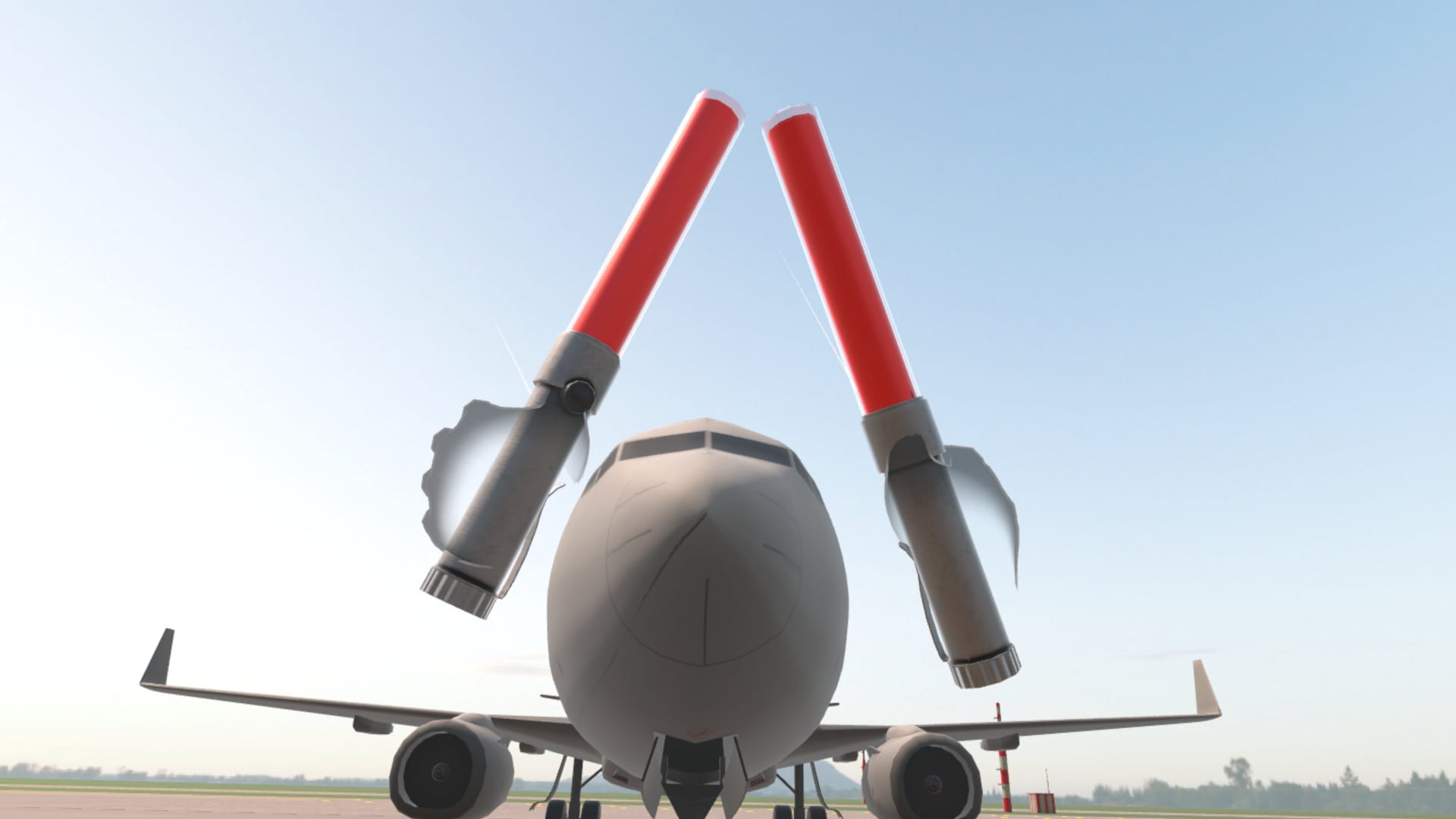
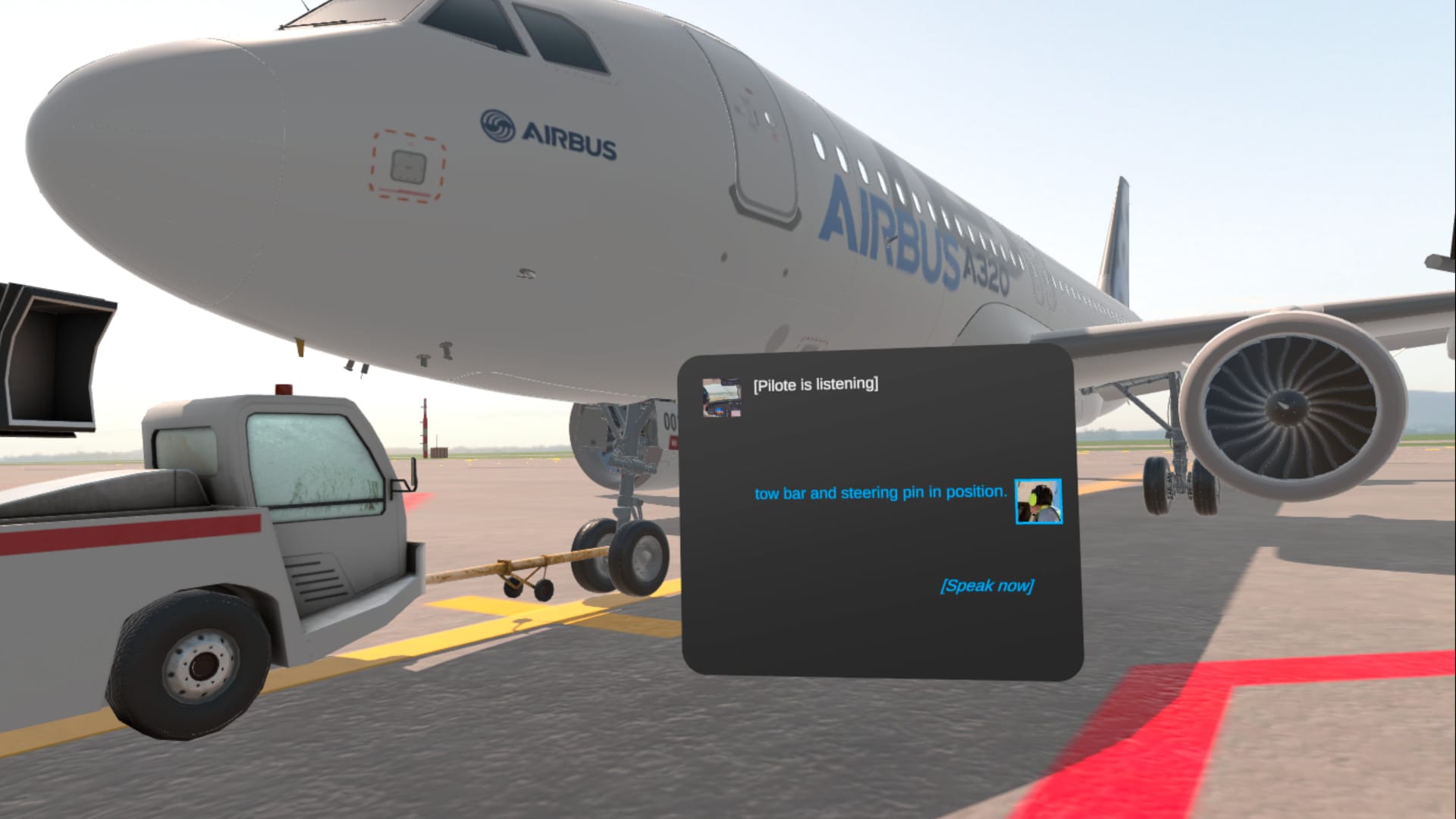
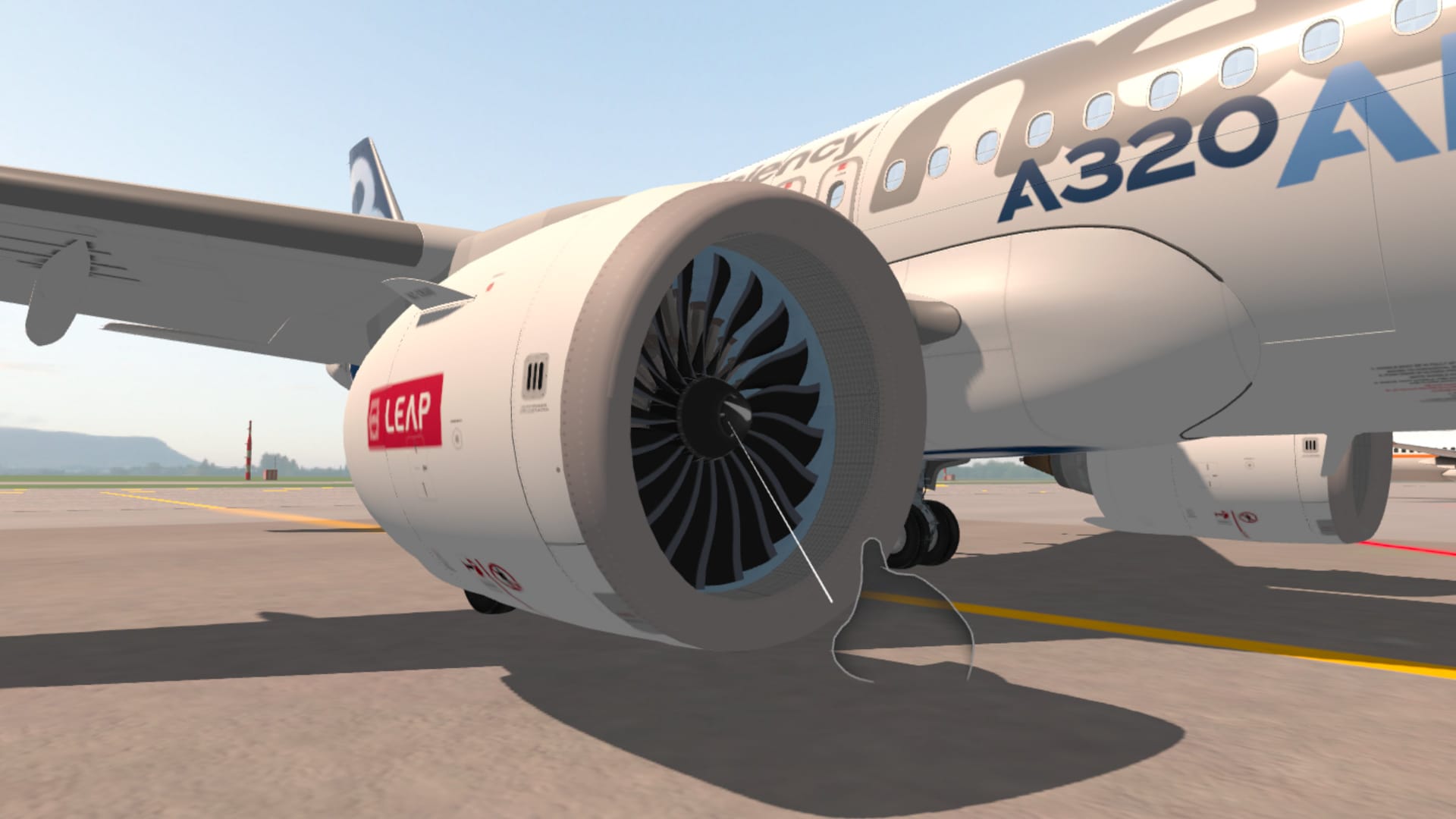
Each module covers a single airside procedure, is written against a named IATA reference, and scores the same competencies for every trainee who runs it.
How it works
One platform, two surfaces
A headset app for the people doing the work, and a dashboard for the people responsible for them. Training assigned is running in a headset within minutes, any time of day.
01
Assign
A trainer picks the modules a trainee needs and assigns them from the dashboard. Nothing to install, nothing to sideload.
02
Train
The trainee signs into a headset with a PIN and runs the scenario — as many times as it takes, on their own, at any hour.
03
Certify
Each run comes back scored on the module’s own criteria. When the trainee is ready, the certificate is issued to them.
In the headset
The trainee side
Meta Quest 3 / 3S — standalone, no PC, no cables, no base stations
PIN sign-in: one headset serves a whole shift of trainees
Scenarios with live aircraft, weather and equipment
Voice and gesture interaction, not menu clicking
Runs offline; results sync when the headset is back on the network
In the browser
The trainer side
White-label: your logo, your name, your domain
Enrol trainees, group them, assign modules per person
Per-session scores against the module’s scored competencies
Fleet view: which headset is online, in use, or idle
Certificates that belong to the agent and follow them between employers
IATA alignment
Train the procedure your audit is based on
Ground handling is governed by shared IATA references. TRASIM modules are built directly on them, so nothing a trainee rehearses has to be unlearned on the line.
Written against a named reference
Every module page states the IGOM, AHM or DGR section its scenario is built from. No vague "industry standard" claims.
Recognised wherever you operate
IATA ground operations procedures are the common language across stations. A trainee learns the same procedure they will be audited against.
Auditable by design
Sessions, scores and certificates are stored per trainee, so a training record can be produced on request rather than reconstructed.
Updated with the standard
When a referenced procedure changes, the scenario and its scoring criteria are revised — not left to drift with the manual.
IATA, IGOM, AHM and DGR are references published by the International Air Transport Association. TRASIM builds training content aligned to them; it is not an IATA certification body.
Who it is for
Anyone responsible for people working next to aircraft
The training problem is the same everywhere: not enough apron time, not enough supervisors, and no comparable record of who is actually ready.
Airlines
Bring self-handled stations up to the same standard, and hold subcontracted handlers to a procedure you can point at.
· Consistent procedure across stations
· Evidence for station audits
Ground handlers
Get seasonal intake productive faster, with less supervisor time spent on the basics and fewer ground damage incidents to explain.
· Shorter time to first live shift
· Fewer handling damage events
Airports & training centres
Run a ramp curriculum without booking apron time, and issue records that follow each agent between employers.
· No apron slot required
· Portable trainee certificates
Questions
What buyers ask first
If yours is not here, the fastest answer is a 30-minute demo.
Meta Quest 3 and Quest 3S — standalone, no PC, no cables, no external trackers. A trainee signs into any headset with their own PIN, which links it to their organisation and pulls their assignments over the network, so a trainer can prepare a session before the headsets are even switched on.
See it on your own procedures
A 30-minute demo on a real headset: we run the modules that matter for your station and show the trainer side end to end.